


Does Wearing a Hat Cause Hair Loss? What the Research Actually Shows
Hats do not cause hair loss. Studies on identical twins found daily hat use linked to less hair loss, not more. Here is what actually matters: fit, tension and scalp...
We believe every curl, coil, and wave deserves specialized care. Our mission is simple: give textured hair the attention it deserves while helping you discover the beauty in your natural crown.

A leave in spray for thinning, dry or breaking hair.Rosemary supports the...
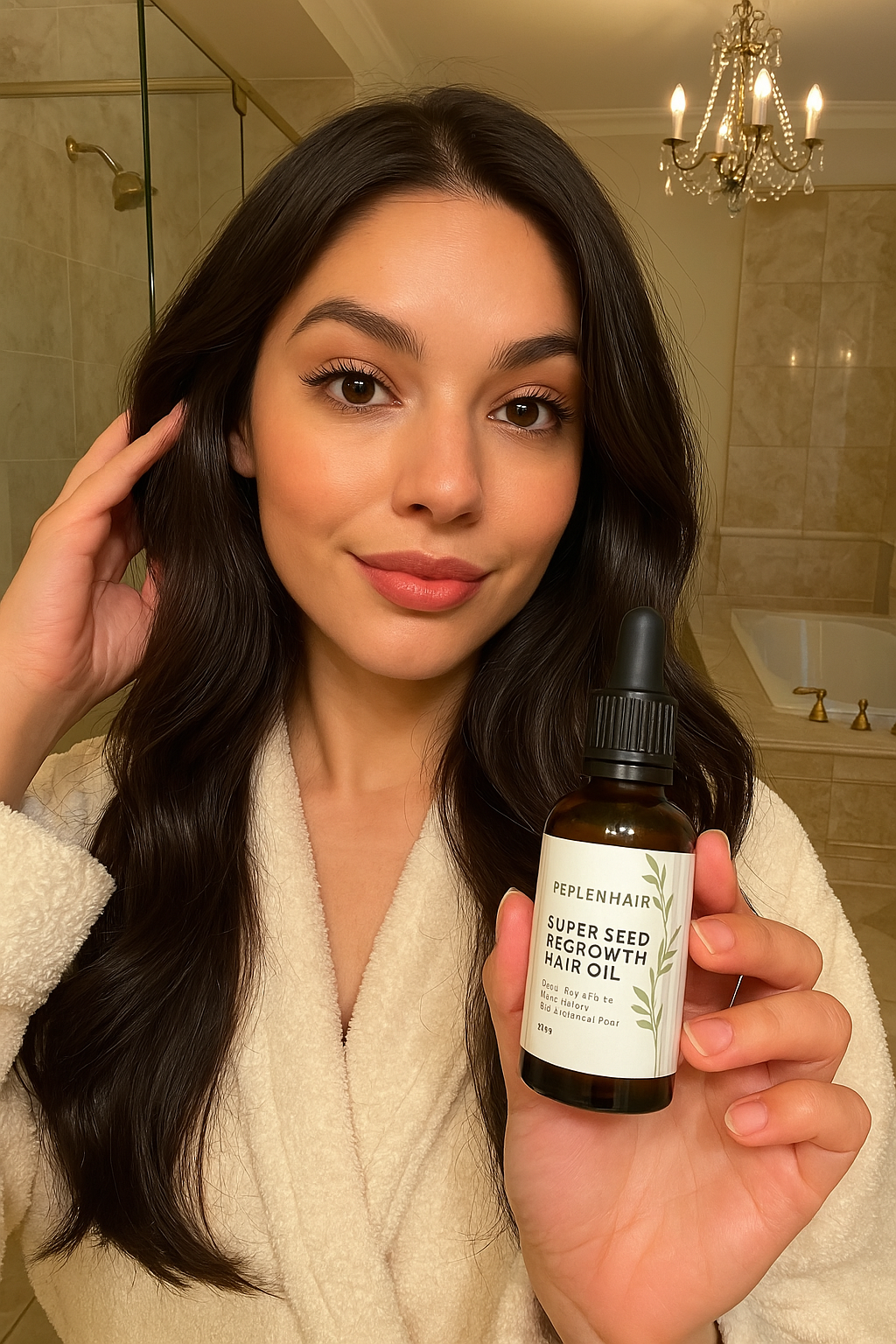
A scalp oil built from seven seed oils, made for thinning hair...
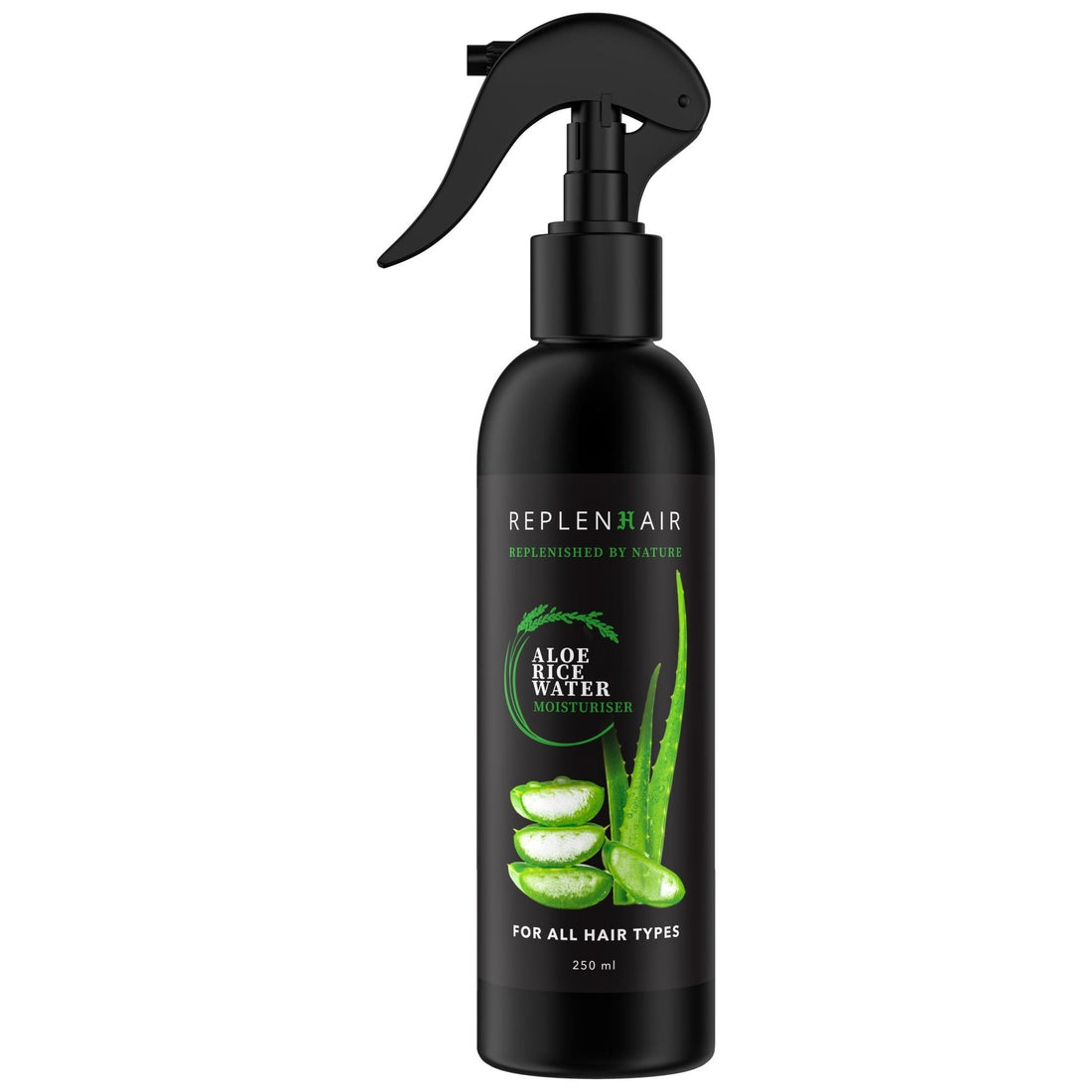
A leave in spray for dry, frizzy hair that needs moisture.Aloe vera...

Our aloe and rice water pair, spray plus oil.The spray hydrates and...
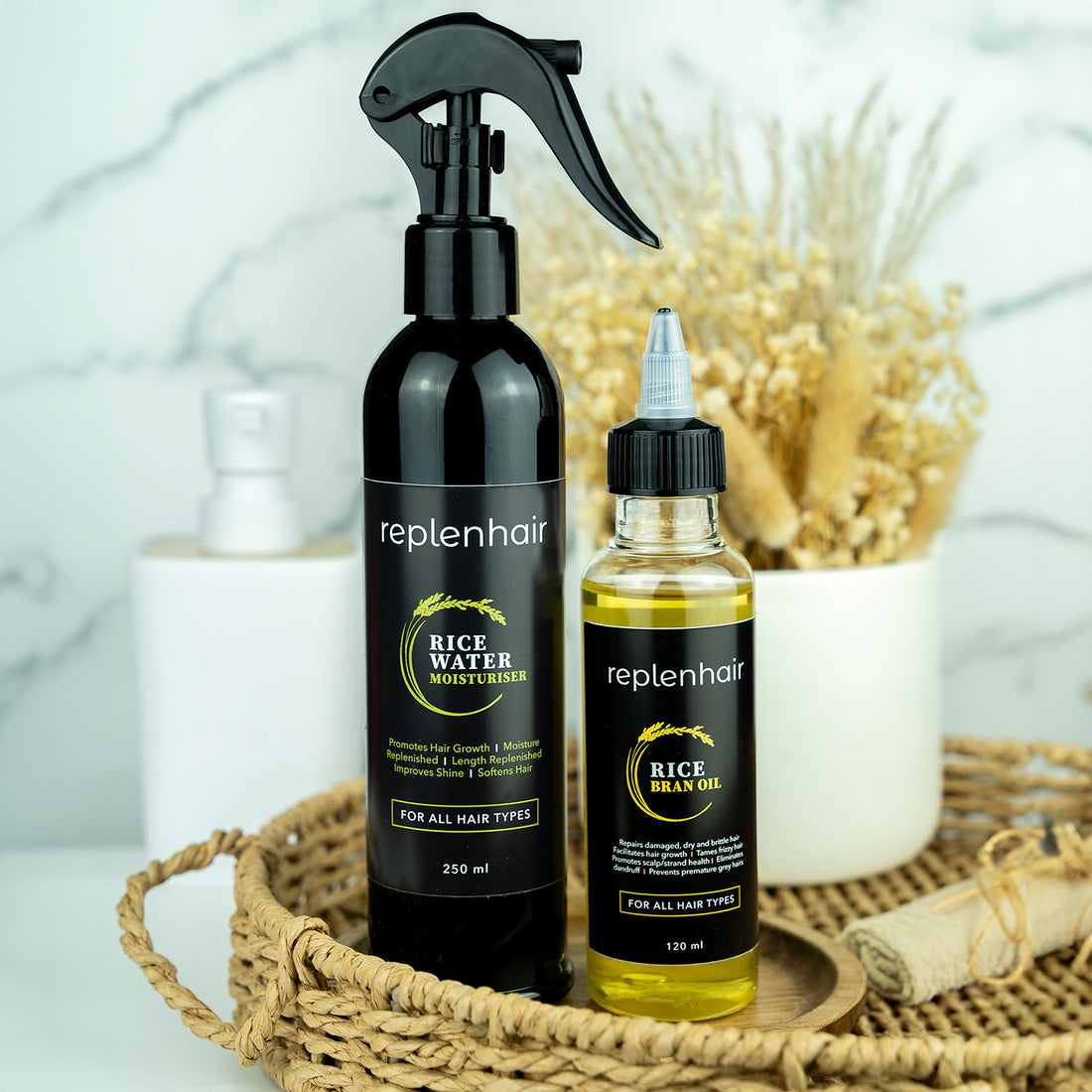
A rice water routine for hair that breaks and thins.Amino acids and...
Our aloe and rice water pair, spray plus oil.The spray hydrates and...

The full rosemary and rice routine: shampoo, moisturiser and oil.Wash with the...
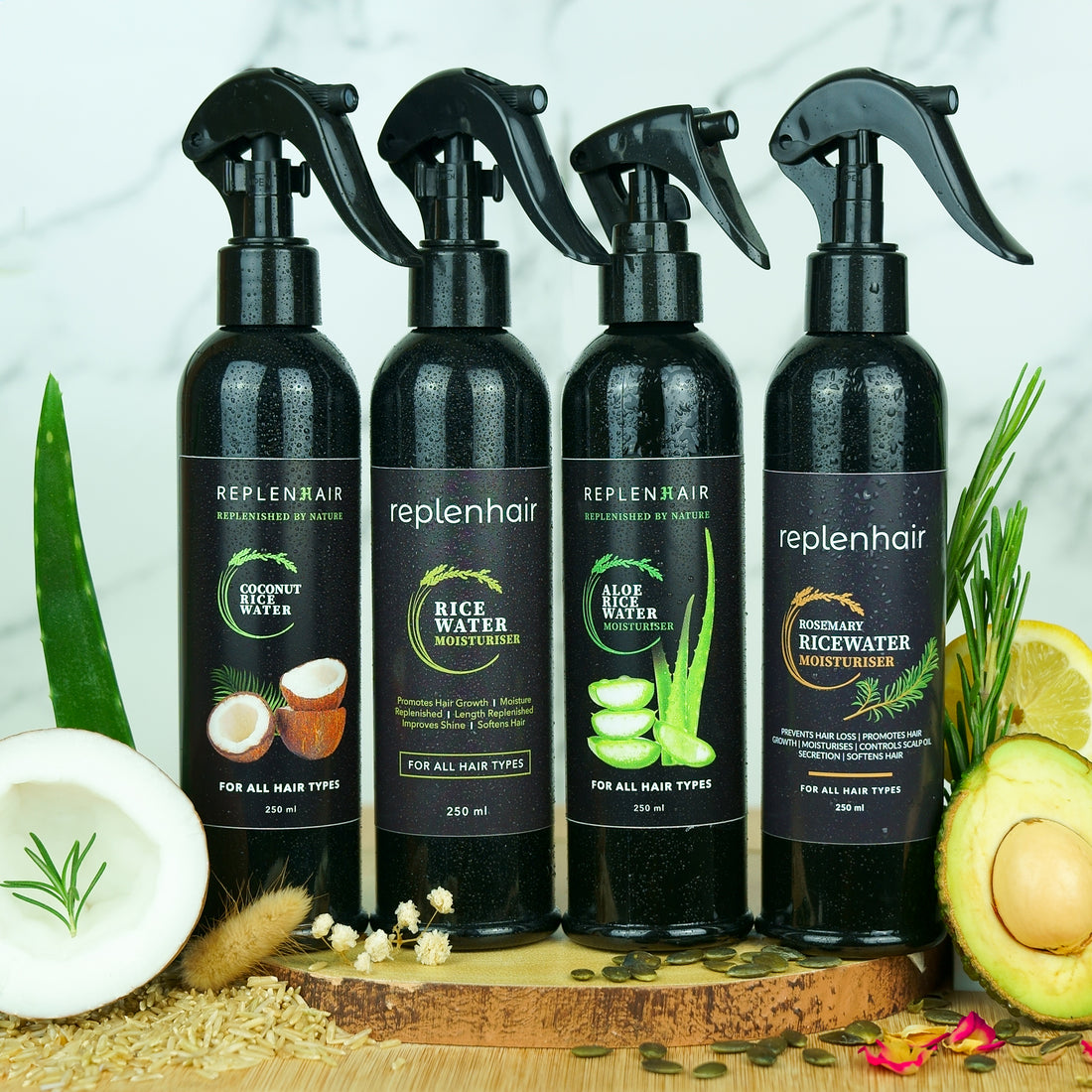
A set of our rice water leave in sprays.Rice water brings amino...
As featured in


FAQs
Everything you need to know about your natural hair-care routine.
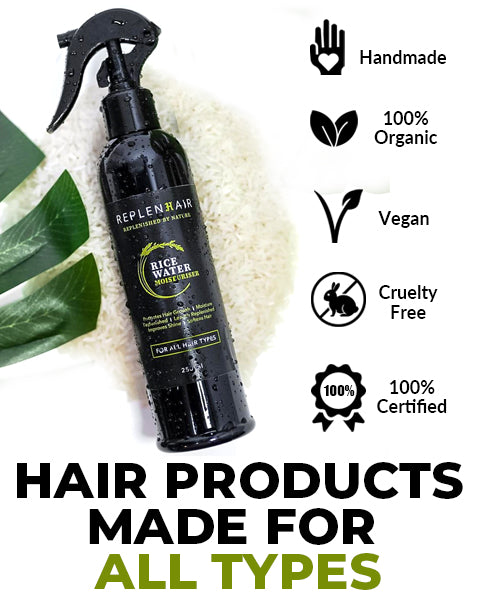
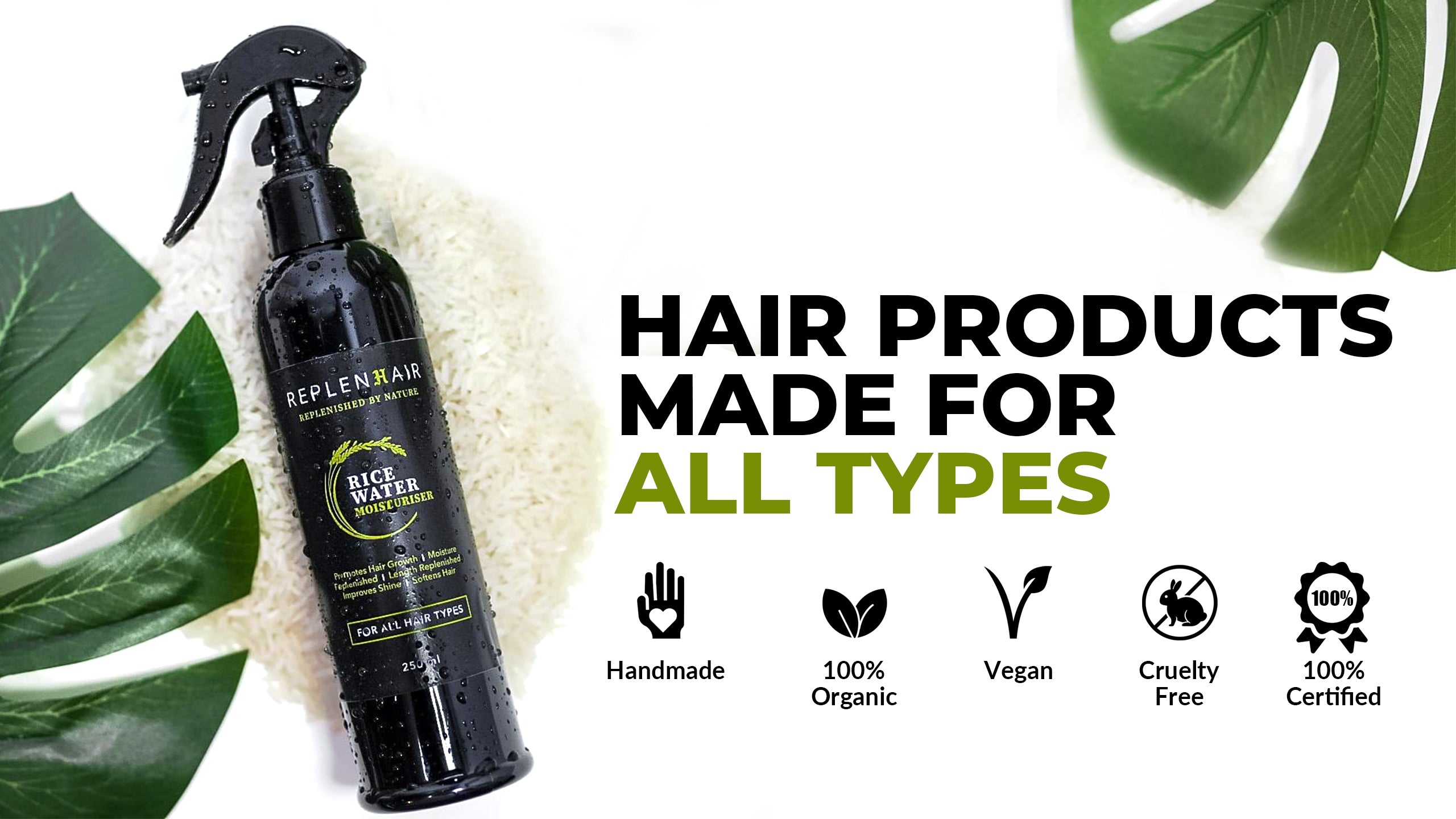
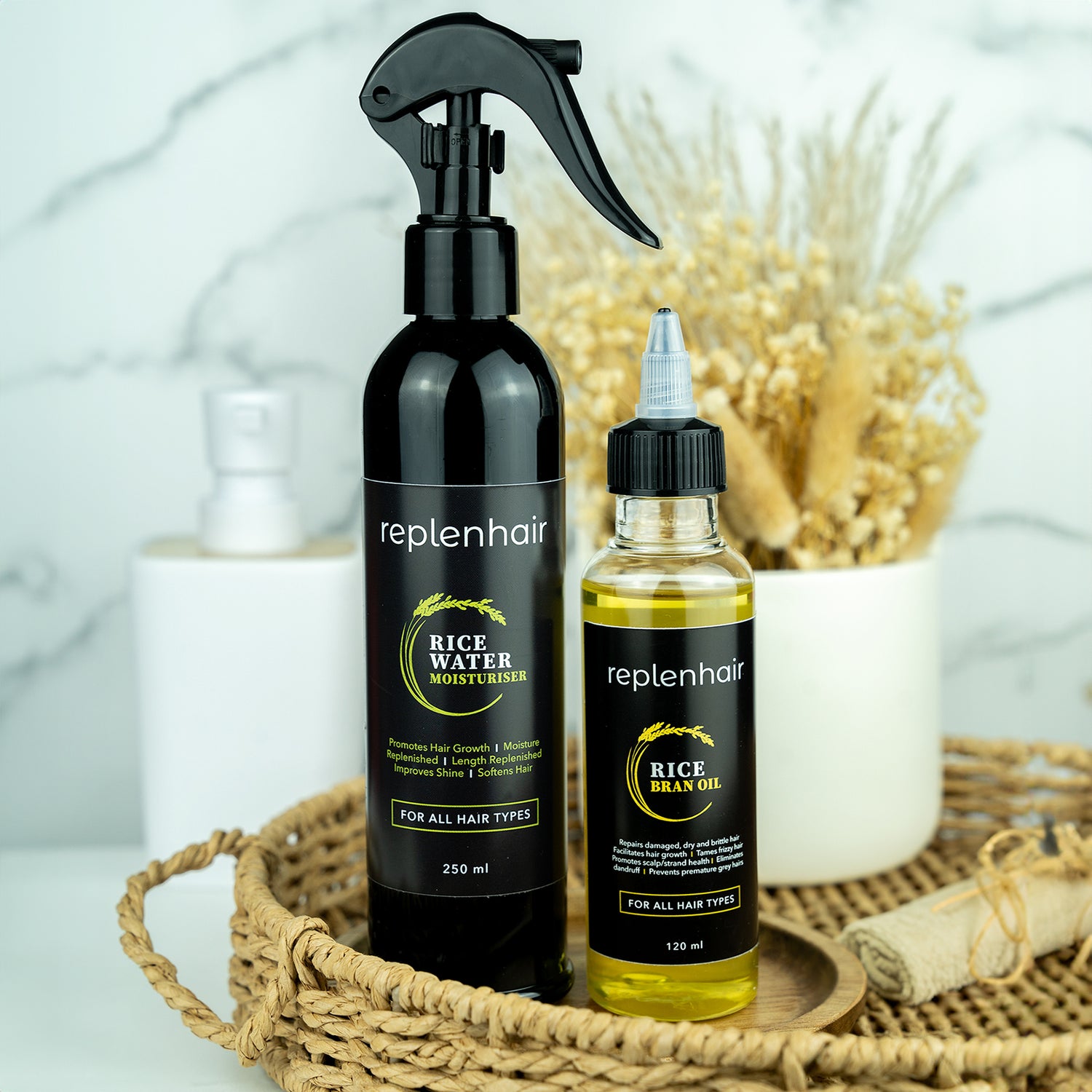
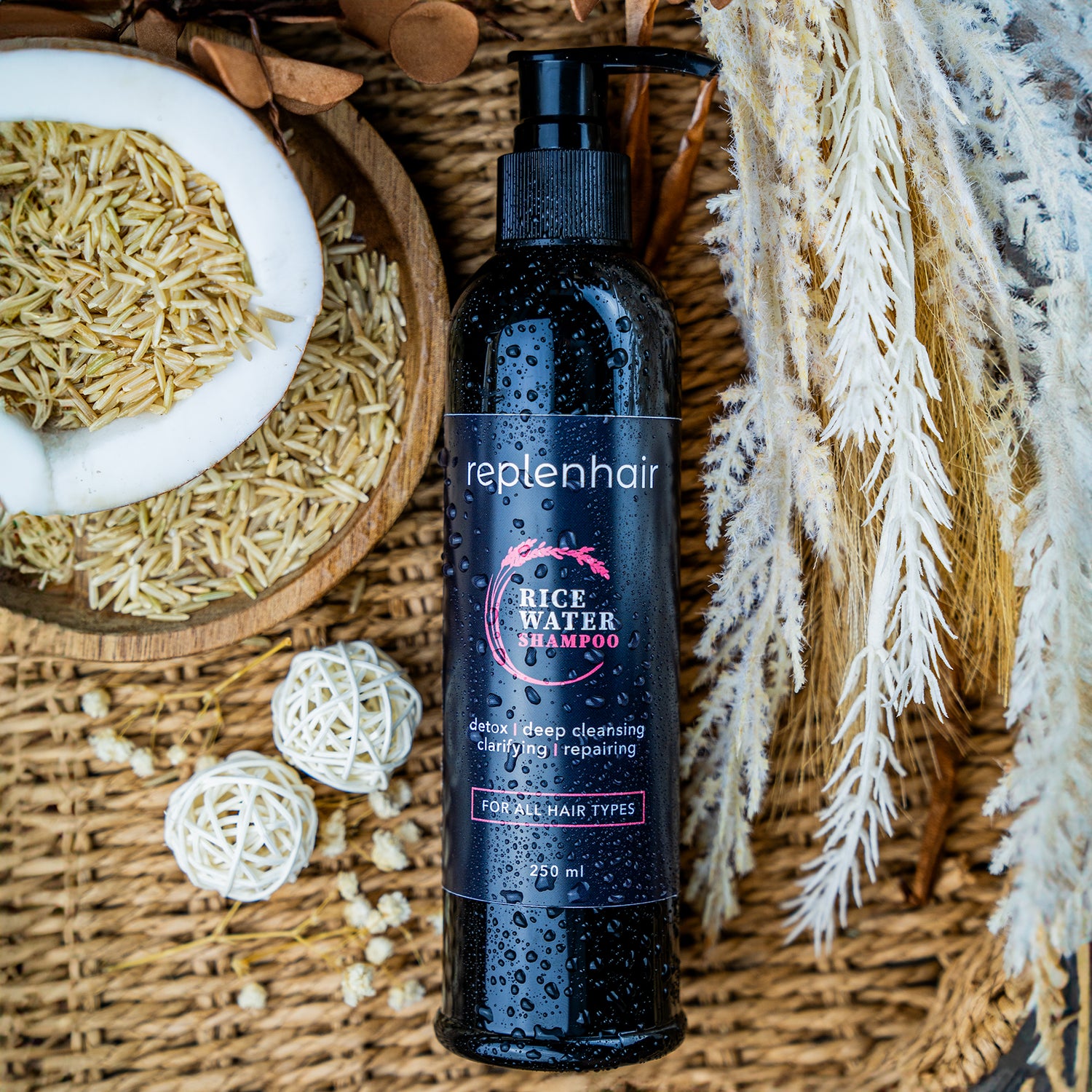
Rice water is rich in amino acids, vitamins and minerals that help strengthen, soften and condition hair. Our rice water range, including the Rice Water Moisturiser and growth oils, is designed to support healthier, stronger-looking hair when used regularly.
Our rosemary and rice water formulas are crafted to nourish the scalp and support fuller, thicker-looking hair. If you are worried about shedding or thinning, explore our Hair Loss and Thinning Solutions collection and use it consistently as part of your routine.
Yes. Every Replenhair formula is made for all hair types and textures, from straight and wavy to curly and coily, so the whole range works for your natural hair.
Always. We use naturally derived actives like rice water, rosemary and plant-based oils. Every product is vegan and never tested on animals.
Massage a few drops into your scalp and work through the lengths of damp or dry hair. Leave it in, or rinse after 30 minutes, and use it 2 to 3 times a week for the best results.
Healthy hair takes time. Results vary from person to person, so we recommend using your Replenhair routine consistently for several weeks to see the best results.
Hats do not cause hair loss. Studies on identical twins found daily hat use linked to less hair loss, not more. Here is what actually matters: fit, tension and scalp...

Low porosity hair is not damaged hair, it is sealed hair. Learn which lightweight oils actually absorb, why the float test fails, how hard water makes it worse, and a...

Rice water leaves low porosity hair stiff and coated because the protein is too large to absorb. Here is the correct dilution, timing and rinse, plus the hard water factor...